








Autumn E-Bike Challenges: 7 Mistakes Riders Make on Wet Leaves

Introduction: Why Does Autumn Riding Require Extra Care?
Autumn is a wonderful season for cycling. Golden leaves, crisp air, and peaceful woodland paths make outdoor adventures more enjoyable. For Shengmilo electric bike riders, whether commuting to work, exploring countryside trails, or enjoying a weekend ride, autumn offers plenty of opportunities to get outside and experience the beauty of the season.
However, autumn also brings several riding challenges that are easy to overlook. As temperatures drop and rainfall becomes more frequent, fallen leaves can absorb moisture and mix with dirt, creating slippery surfaces. Leaves can also conceal potholes, drains, cracks, and other road hazards, making them difficult to spot in time.
Compared with dry roads, wet surfaces can reduce tire grip and increase stopping distances. If riders continue to travel at high speeds, brake suddenly, or make sharp turns as they would on dry summer roads, they may find it harder to maintain control of their bikes.
So, what mistakes should e-bike riders avoid during autumn? Here are seven common mistakes, along with practical tips to help you enjoy a safer riding experience.
Mistake 1: Riding Too Fast on Wet Leaves
One of the most common autumn riding mistakes is underestimating the risks of wet leaves.
When fallen leaves become soaked with rain, they can create a slippery layer on the road. This is particularly concerning on bends, downhill sections, and woodland trails. Even when a path looks smooth, the surface may not provide enough traction for your tires.
Electric bikes can be relatively heavy, and some models offer powerful motor assistance. Traveling too quickly on slippery surfaces can leave riders with insufficient time to react when obstacles appear or sudden braking becomes necessary.
How to avoid this mistake:
Slow down before entering areas covered with fallen leaves. Adjust your speed according to visibility, road conditions, and surrounding traffic. Be especially cautious on downhill sections, and never wait until a hazard appears before reducing your speed.
For Shengmilo electric bike riders, maintaining a sensible speed is more important than trying to reach a destination as quickly as possible.
Mistake 2: Braking Too Hard or Too Suddenly
Sudden braking on slippery surfaces can cause a tire to lose traction, increasing the risk of skidding or losing balance.
When riders notice an obstacle, puddle, or pile of leaves ahead, their natural reaction may be to squeeze the brake levers as hard as possible. Although this reaction is intended to prevent an accident, abrupt braking can make the bike more difficult to control.
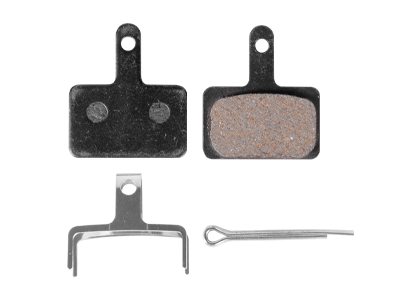
Even electric bikes equipped with hydraulic disc brakes cannot guarantee an immediate stop under every slippery condition. Braking performance depends on several factors, including tire condition, road surface, riding speed, and braking technique.
How to avoid this mistake:
-
Look ahead and allow plenty of room for braking.
-
Apply the brakes progressively rather than suddenly applying excessive force.
-
Reduce your speed before entering a corner instead of braking sharply while leaning into a turn.
-
Before riding in wet conditions, check that your brakes are working properly. If possible, familiarize yourself with their response in a safe area away from traffic.
Remember, reliable brakes are essential, but proper braking technique is equally important.
Mistake 3: Turning Sharply on Wet Leaves
Fallen leaves can make turning more challenging, especially when they are wet.
When tires travel over slippery leaves, available traction may change unexpectedly. If a rider turns the handlebars abruptly, leans too far, or accelerates suddenly while cornering, the tires may struggle to maintain their intended path.
This is particularly important on narrow woodland trails, wet cycle paths, and winding downhill roads covered with leaves.
How to avoid this mistake:
Reduce your speed before entering a bend, and look toward the exit of the turn. Keep your movements smooth and avoid sudden changes in direction.
If a corner is covered with thick, wet leaves and the road surface underneath is difficult to assess, choose a safer route whenever possible. Do not take unnecessary risks simply to maintain your speed.
For everyday riders, smooth and predictable handling is often more useful than complicated riding techniques.
Mistake 4: Ignoring Tire Tread, Wear, and Pressure
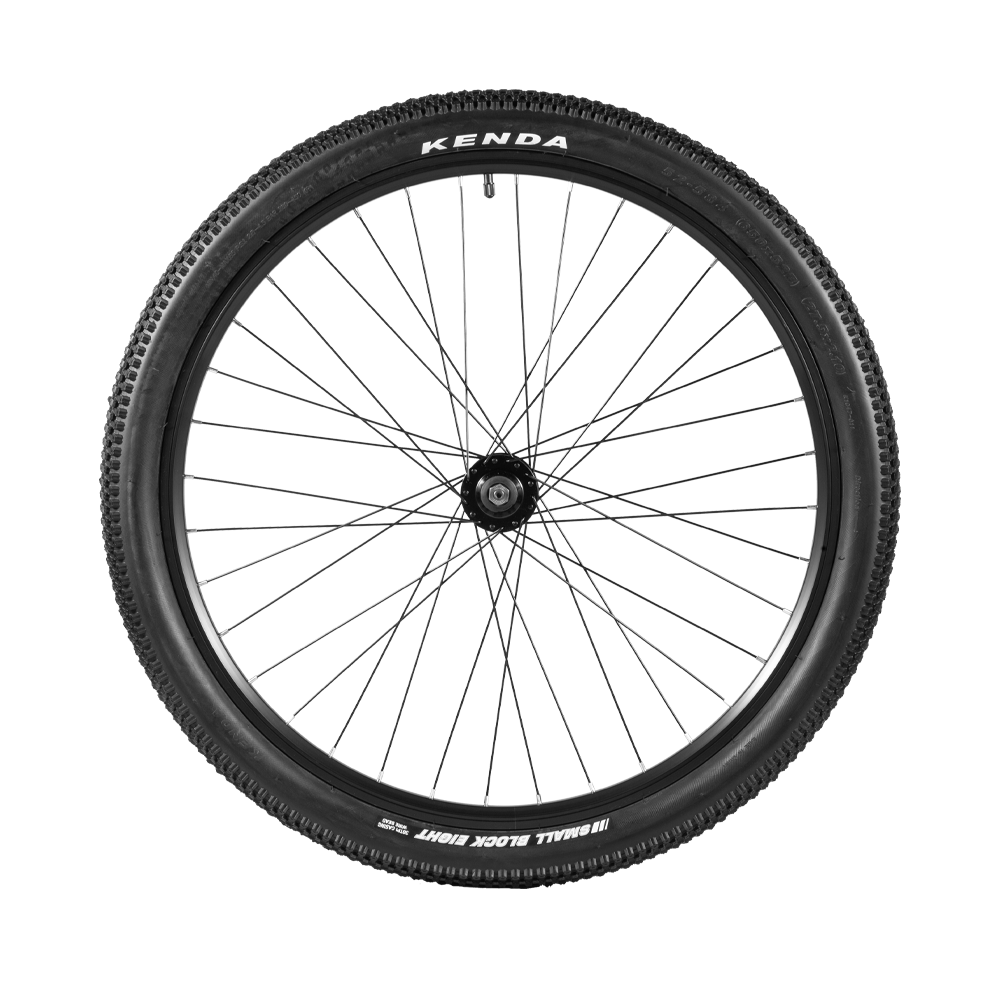
Tires are the main point of contact between an electric bike and the ground. Their condition plays an important role in traction, stability, and handling.
After a summer of frequent riding, tires may develop worn tread, cracks, surface deterioration, or other damage. If these problems go unnoticed, they can become more concerning when autumn brings wet and slippery roads.
Some riders also assume that wider tires or lower tire pressure will always provide better grip on wet surfaces. In reality, tire performance depends on several factors, including tread design, rubber compound, tire pressure, bike load, and road conditions. Tire width alone does not determine how well a tire performs.
How to avoid this mistake:
Before each ride, check your tires for excessive wear, cracks, embedded debris, visible damage, and signs of air leakage. Adjust tire pressure according to the recommendations for your specific Shengmilo model and tire specifications.
Do not lower tire pressure below the recommended range without appropriate guidance, and never assume that fat tires eliminate the risk of slipping.
If you regularly switch between paved roads, woodland paths, and mixed terrain, choose your riding approach according to your tires and the conditions underfoot.
Mistake 5: Overlooking Hazards Hidden Beneath Fallen Leaves
A layer of fallen leaves may look soft and harmless, but it can conceal hazards that are difficult to spot.
Potholes, raised edges, stones, branches, drains, and uneven surfaces may all be hidden beneath leaves. Some metal manhole covers and road markings can also become particularly slippery when wet.
Riders who focus only on the leaves themselves may fail to notice changes in the road surface until it is too late to react safely.
How to avoid this mistake:
Whenever possible, choose routes where the road surface is clearly visible. Slow down when approaching areas covered with leaves, and pay attention to road edges, drainage areas, and potential obstacles.
Avoid riding blindly into deep piles of leaves, and do not make sudden turns when you cannot assess the surface ahead. If visibility is poor or a section of the path looks particularly hazardous, stop and assess the situation. If necessary, get off the bike and walk it through the area.
Safe autumn riding means looking beyond what is immediately visible and leaving yourself enough time and space to respond to unexpected hazards.
Mistake 6: Neglecting Lights, Reflective Gear, and Visibility
As autumn progresses, daylight hours become shorter. Overcast skies, fog, and early sunsets can make it harder for everyone to see clearly.
Even if you can see the road ahead, drivers, pedestrians, and other cyclists may not notice you in time. Insufficient lighting or clothing that blends into the surroundings can increase this risk.
This is especially important for commuters whose journeys begin early in the morning or finish after sunset.
How to avoid this mistake:
-
Check your front and rear lights before setting off.
-
Use suitable lighting for the weather and visibility conditions, and comply with local lighting requirements.
-
Wear visible clothing and consider adding a reflective vest or reflective accessories.
-
Reduce your speed in fog, rain, at dusk, and at night. Maintain a safe distance from motor vehicles.
Do not wait until it is completely dark to turn on your lights. Making yourself visible to other road users early is an important part of autumn cycling safety.
Mistake 7: Failing to Clean and Inspect Your E-Bike After Riding
After an autumn ride, it can be tempting to park your electric bike in the garage and forget about it until the next trip. However, leftover rainwater, mud, and leaf debris can affect your bike over time.
Accumulated dirt can accelerate wear on drivetrain components, while prolonged exposure to moisture may increase the risk of corrosion. If problems with the brakes, tires, or electrical connections go unnoticed, they may affect your next ride.
Electrical components such as the battery, motor, display, and controller also require appropriate care in accordance with the manufacturer's instructions.
How to avoid this mistake:
-
Use a soft cloth to remove mud and moisture from the frame, fenders, and other accessible surfaces.
-
Inspect the tires, brakes, wheels, and important fasteners for visible damage or unusual conditions.
-
Clean and lubricate the chain and other drivetrain components as recommended by the manufacturer.
-
Avoid using a high-pressure washer directly on the motor, battery connections, display, or other electrical components.
-
Check the battery according to the manufacturer's instructions, and store and charge it in a suitable, dry environment.
If you notice abnormal braking, electrical faults, or significant mechanical damage, stop riding until the problem has been assessed. Contact a qualified repair professional when necessary.
Regular maintenance helps protect your bike's components and prepares it for your next autumn adventure.
Your Autumn E-Bike Safety Checklist
Before heading out on your next ride, take a few minutes to complete this checklist:
-
Tires: Check tire pressure, tread, cracks, and visible damage.
-
Brakes: Make sure the brakes respond properly and show no obvious signs of malfunction.
-
Lights: Check your front light, rear light, and reflective equipment.
-
Battery: Ensure the battery has sufficient charge and that the battery and its connections show no visible damage.
-
Bike components: Inspect the wheels, handlebars, and important fasteners.
-
Route: Check the weather, visibility, and expected road conditions.
-
Riding gear: Wear a suitable helmet and clothing appropriate for the weather.
-
Riding habits: Slow down early and avoid sudden braking, sharp turns, and abrupt acceleration.
If any essential component shows signs of a serious problem, do not set off until it has been checked.
Final Thoughts: Enjoy the Autumn Scenery, but Ride Safely
Autumn offers beautiful scenery and exciting opportunities for electric bike adventures. However, wet leaves, rainfall, reduced visibility, and changing temperatures also create new challenges for riders.
Avoiding these seven common mistakes can help you handle autumn conditions more confidently. Control your speed, brake smoothly, turn carefully, inspect your tires, watch for hidden hazards, stay visible, and maintain your bike after every ride.
For Shengmilo electric bike riders, whether commuting to work, enjoying weekend trips, or exploring nature trails, every ride should be planned according to the bike's specifications, actual road conditions, and local regulations.
A great ride is not just about speed or distance. It is about reaching your destination safely and confidently.
This autumn, prepare before every journey, stay alert, and make every ride a safer and more enjoyable experience.
Leave a comment