








How Does an E-bike Pedal Assist System (PAS) Work? A

With the growing popularity of green transportation, electric bikes (E-bikes) have become an important transportation choice for daily commuting, recreational cycling, and outdoor exploration.
Compared with traditional bicycles, one of the biggest advantages of electric bikes is that they use an electric motor to provide additional power, making riding easier when facing long distances, uphill roads, or strong headwinds.
The key technology that allows an e-bike to automatically provide assistance when you pedal is the Pedal Assist System (PAS).
Many users see different assistance levels such as PAS 1, PAS 2, and PAS 3 when purchasing an electric bike, but they may not fully understand how the system works:
- Why does the motor start automatically after pedaling?
- How does the e-bike know how much assistance the rider needs?
- Why do different PAS levels create different riding experiences?
- What is the difference between PAS and throttle control?
This article will provide an in-depth explanation of how an e-bike pedal assist system works, helping you understand how sensors, controllers, and motors work together, and how PAS makes cycling more comfortable and efficient.
1. What Is an E-bike Pedal Assist System (PAS)?
A Pedal Assist System (PAS) is a technology that detects the rider’s pedaling movement and automatically controls the motor output to provide additional assistance.
Simply put:
When the rider starts pedaling, the PAS system detects the movement and activates the motor to provide extra power.
It does not completely replace human effort. Instead, it adds assistance based on the rider’s own pedaling power.
For example:
- On flat roads, PAS provides gentle assistance, making riding easier and more comfortable;
- When climbing hills, the system increases motor power to reduce leg strain;
- During long-distance rides, PAS helps reduce fatigue and improves overall comfort.
Therefore, the main purpose of a PAS system is:
To help riders travel farther with less effort.
2. Main Components of an E-bike PAS System
A complete pedal assist system mainly consists of three core components:
1. Pedal Sensor
The pedal sensor is the “detector” of the PAS system.
Its main functions are to detect:
- Whether the pedals are rotating;
- Pedal rotation speed;
- The rider’s pedaling activity.
When the rider starts pedaling, the sensor immediately sends signals to the controller.
Currently, there are two common types of PAS sensors:
(1) Cadence Sensor
The cadence sensor is the most common type used in electric bikes.
It is usually installed near:
- The bottom bracket area;
- The pedal crank area.
The sensor usually contains a magnetic disc.
How it works:
- The rider starts pedaling;
- The magnetic disc rotates with the crank;
- The sensor detects the rotation signal;
- The signal is sent to the controller;
- The controller activates the motor.
Advantages:
- Simple structure;
- High reliability;
- Low maintenance cost.
Disadvantages:
- Power assistance is relatively fixed;
- It cannot accurately detect how hard the rider is pedaling.
(2) Torque Sensor
A torque sensor is a more advanced PAS technology.
Unlike a cadence sensor, it not only detects whether the pedals are moving but also measures how much force the rider applies while pedaling.
For example:
Light pedaling:
→ The system provides less motor assistance.
Hard pedaling:
→ The system increases motor output.
This creates a riding experience that feels more similar to a traditional bicycle.
Advantages:
- More natural assistance;
- Smoother power delivery;
- Better battery efficiency.
3. How Does the PAS System Work?
The working process of an electric bike pedal assist system can be summarized as:
Pedaling → Sensor Detection → Controller Calculation → Motor Output → Power Assistance
Let’s look at each step in detail.
Step 1: The Rider Starts Pedaling
When the rider begins pedaling, the pedals and crank start rotating.
At this moment, the PAS sensor starts detecting movement.
Step 2: The Sensor Collects Riding Information
The sensor detects the rider’s pedaling condition and sends information to the controller.
The information may include:
- Whether the rider is pedaling;
- Pedaling speed;
- Pedaling force (with torque sensors).
Step 3: The Controller Analyzes the Data
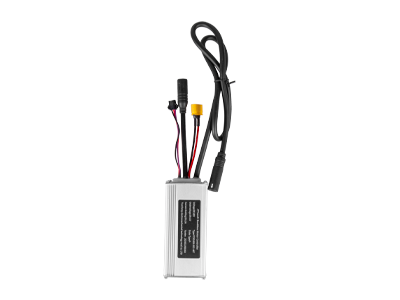
The controller is the “brain” of the electric bike.
It processes the signals from the sensor and determines how much power the motor should provide.
The controller adjusts motor assistance based on:
- PAS level;
- Current riding speed;
- Battery condition;
- Motor specifications.
For example:
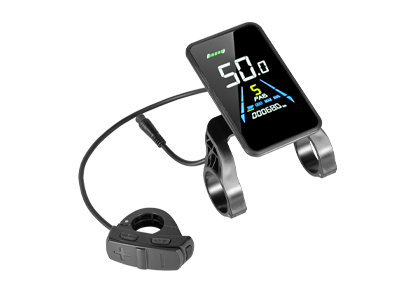
PAS 1:
Provides low assistance and helps save battery power.
PAS 3:
Provides balanced assistance for everyday riding.
PAS 5:
Provides stronger assistance for climbing hills or situations requiring more power.
Step 4: The Motor Provides Assistance
After receiving instructions from the controller, the motor starts working and provides additional power.
Common motor types include:
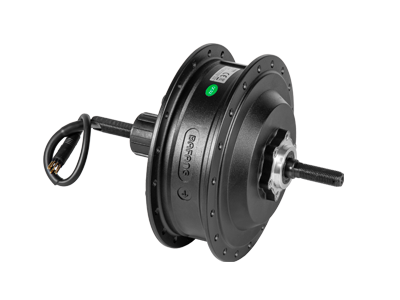
Rear Hub Motor
The motor is installed in the center of the rear wheel.
Features:
- Direct power delivery;
- Simple structure;
- Easy maintenance.
Suitable for:
- Urban commuting;
- Daily cycling;
- Electric mountain bikes.
Mid-drive Motor
The motor is installed in the middle of the bike frame.
Features:
- Better weight balance;
- Stronger climbing performance.
It is usually used on higher-performance electric bike models.
4. What Do PAS Assistance Levels Mean?
Most electric bikes provide multiple PAS modes.
PAS 0
Assistance is turned off.
The bike works completely like a traditional bicycle and relies only on human power.
PAS 1
Low assistance mode.
Suitable for:
- Flat roads;
- Saving battery power;
- Comfortable cruising.
PAS 2-3
Medium assistance mode.
Suitable for:
- Daily commuting;
- Longer-distance riding.
PAS 4-5
High assistance mode.
Suitable for:
- Mountain roads;
- Steep slopes;
- Situations requiring stronger power.
5. Difference Between PAS and Throttle Control
Electric bikes usually use two common power control methods:
PAS Pedal Assist
Features:
- Requires pedaling to activate;
- Provides a riding feeling closer to a traditional bicycle;
- Helps extend battery range.
Throttle Control
Features:
- Does not require pedaling;
- Directly controls motor power;
- More suitable for quick starts and short-distance riding.
Many electric bikes are equipped with both PAS and throttle systems, allowing riders to choose the most suitable control method for different situations.
6. How to Use PAS Properly for Better Range and Riding Experience
To achieve better battery performance and a more comfortable ride:
1. Avoid Using the Highest PAS Level When Starting
The motor requires more power during startup.
Recommendation:
Start with a lower PAS level and gradually increase assistance when needed.
2. Use Lower PAS Levels on Flat Roads
When riding on flat terrain, high assistance is usually unnecessary.
Using lower PAS levels can:
- Save battery power;
- Extend riding range.
3. Increase Assistance Before Climbing
When approaching hills or steep roads, increasing the PAS level can reduce motor stress and make riding more comfortable.
7. Why Is PAS an Important Technology for Modern Electric Bikes?
The PAS system creates a better balance between performance, comfort, and efficiency.
Easier Riding
It reduces fatigue during long-distance cycling.
Higher Efficiency
It provides power according to riding needs, reducing unnecessary energy consumption.
More Natural Experience
It maintains the feeling of bicycle riding while adding electric assistance.
More Environmentally Friendly
Compared with cars, electric bikes are a cleaner and more sustainable transportation option.
Conclusion
The electric bike Pedal Assist System (PAS) is an important technology that connects the rider, motor, and control system.
By detecting pedaling movements through sensors, analyzing riding requirements through the controller, and providing appropriate assistance through the motor, PAS makes cycling easier, more efficient, and more enjoyable.
Whether for urban commuting, outdoor adventures, or everyday transportation, PAS helps riders reduce fatigue and improve their overall riding experience.
Understanding how a PAS system works can also help consumers choose the right electric bike and make the most of their bike’s performance.
Leave a comment