








High-Power Electric Bike Guide: How Fast Can a 2000-Watt Electric Bike Go?
With the advancement of electric bicycle technology, high-power e-bikes are gaining increasing attention among cycling enthusiasts and commuters. Among them, 2000-watt electric bikes, with their powerful motors and high-speed performance, have become a dream choice for many. So, just how fast can these high-power e-bikes go, and what should riders pay attention to when using them? This article provides a comprehensive analysis.
1. Basic Concept of a 2000W Electric Bike
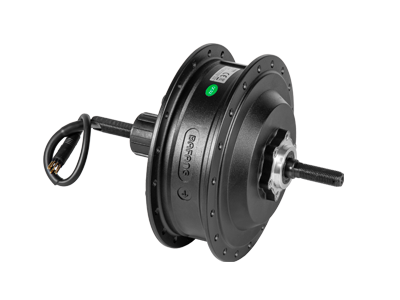
Before discussing speed, let’s understand what “2000 watts” means. 2000 watts (2kW) refers to the power output of the electric bike’s motor while in operation. A higher power rating indicates that the motor can provide stronger thrust, accelerate faster, climb hills more easily, and achieve higher top speeds.
Compared to standard 250W or 500W e-bikes, a 2000W electric bike belongs to the high-power, high-performance category. It is suitable for riders with higher demands for speed and power, such as long-distance commuters, off-road explorers, or anyone needing fast, efficient travel.
2. Speed Performance of a 2000W Electric Bike
The actual speed of an e-bike is influenced by several factors, including:
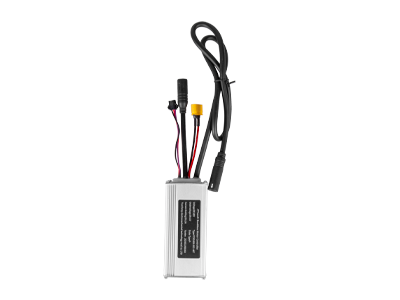
Motor power and controller compatibility
A 2000W motor paired with a high-performance controller can reach speeds of 45–55 km/h on flat roads.
With a stable controller, riders can adjust pedal-assist levels or throttle to achieve even higher speeds.
Battery capacity and voltage
Higher battery voltage allows greater current output, increasing motor speed potential. Standard 48V or 60V batteries paired with a 2000W motor easily support high-speed riding.
Bike weight and riding conditions
The total weight (bike + rider) significantly affects top speed. Lighter bikes and riders allow faster acceleration. Flat roads or highways allow maximum speed, while uphill, sand, gravel, and rough terrain reduce it.
Wind resistance and tire specifications
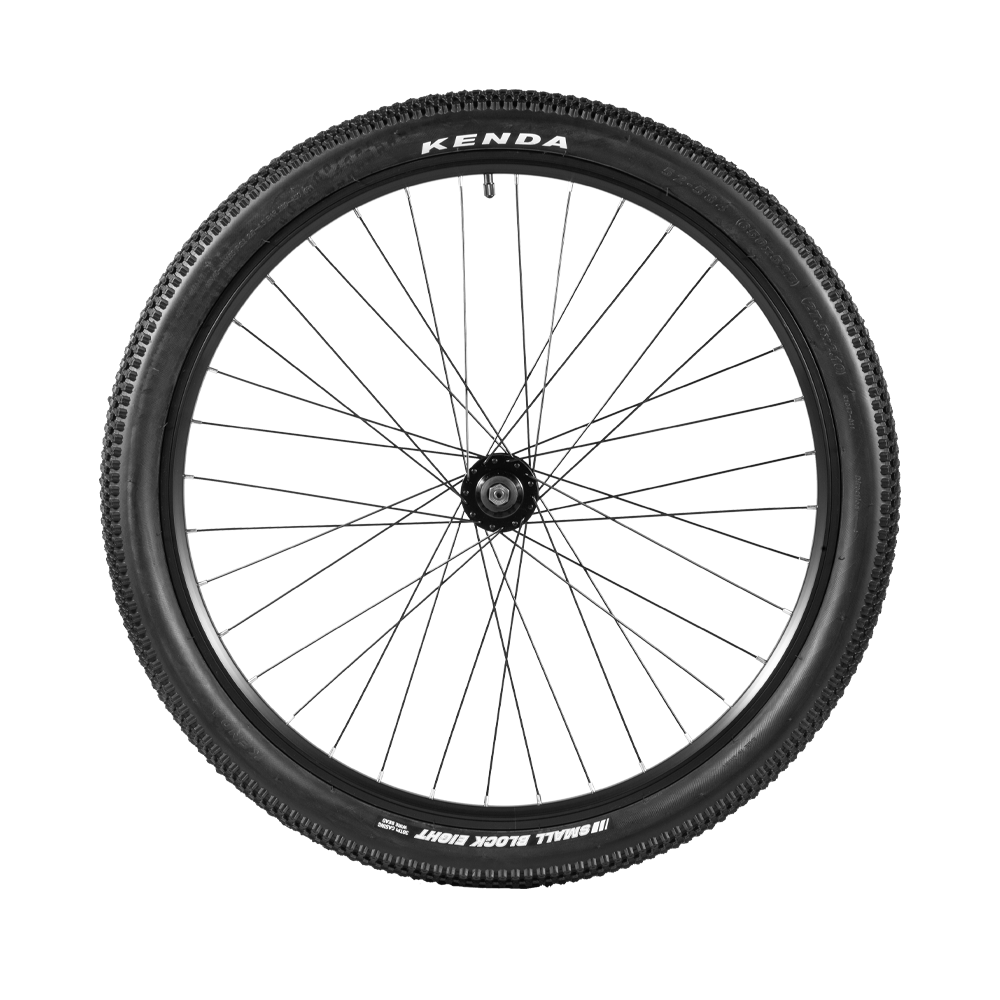
At high speeds, air resistance becomes the main factor limiting speed. Wider or fat tires provide better grip but also increase resistance, potentially lowering top speed.
Overall, a 2000W e-bike can reach 50–60 km/h under ideal conditions, while some professionally tuned models can exceed 65 km/h. Actual performance depends on motor, controller, and battery compatibility.
3. Acceleration Capabilities of a 2000W Electric Bike
High-power motors not only increase top speed but also significantly enhance acceleration. For example, a 2000W motor provides:
Starting acceleration: Compared to a 500W motor, a 2000W motor can reach 40 km/h within a few seconds on flat roads.
Hill-climbing ability: With a large-capacity battery, a 2000W motor can easily climb slopes of 10–15% without requiring the rider to push the bike.
Carrying load: Even with additional rider weight or cargo, a high-power motor maintains stable speed without noticeable drop-off.
Therefore, 2000W e-bikes are ideal for riders who demand both speed and power, including long-distance commuting, mountain biking, and off-road adventures.
4. Riding Safety and Legal Restrictions
While high-power, high-speed e-bikes offer outstanding performance, safety concerns must not be overlooked.
Wear protective gear
When riding above 40 km/h, it is recommended to wear a full-face helmet, goggles, and protective pads.
Brake system must be efficient
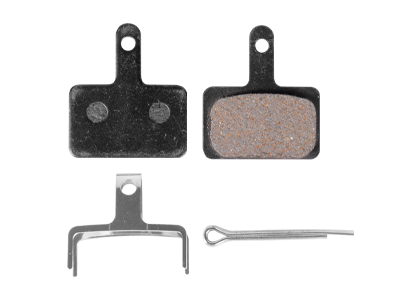
High-speed riding with a 2000W motor requires high-performance front and rear hydraulic brakes to ensure quick stopping in emergencies.
Legal and traffic regulations
Many countries and regions limit e-bike motor power and maximum speed. For example, EU standards allow a 250W motor and pedal-assist speeds up to 25 km/h.
A 2000W e-bike may legally be classified as an electric motorcycle, requiring registration, insurance, and compliant helmet use.
Riders must understand local laws to ensure safe and legal riding.
5. Suitable Scenarios for a 2000W Electric Bike
Long-distance commuting
High-power motors provide fast travel, and long-range batteries support 20–50 km trips.
Off-road and mountain adventures
Powerful motors and rapid acceleration allow riders to tackle steep slopes, gravel roads, and muddy trails.
Paired with wide tires and full suspension, the ride is more stable and comfortable.
Leisure riding and speed experiences
High-speed performance makes riding thrilling and fun, ideal for speed enthusiasts seeking an adrenaline rush.
6. How to Choose the Right High-Power E-Bike
When purchasing a 2000W electric bike, consider the following:
Motor and battery matching
High-power motors require sufficient battery capacity, or ride distance will be limited.
Voltage and current must match to ensure stable motor output.
Brakes and suspension
High-speed riding requires powerful brakes and front/rear suspension for safety.
Frame material and tire specifications
Lightweight frames combined with wide tires offer both speed and stability.
Regulatory compliance
Choose e-bikes compliant with local laws to avoid legal issues.
7. Conclusion
A 2000W electric bike, with its strong motor and high-speed capabilities, can easily reach 50–60 km/h on flat roads, accelerate rapidly, and climb hills with ease. It is ideal for long-distance commuting, off-road adventures, and riders seeking high-speed thrills.
However, high power also brings safety and legal challenges. Riders must wear proper protective gear, equip high-performance brakes, and adhere to local traffic regulations.
In summary, if you pursue the ultimate combination of speed and power while prioritizing safety and compliance, a 2000W electric bike is the perfect choice for high-performance cycling enthusiasts.
Leave a comment