









Is It Safe to Ride an Electric Bike in the Rain? Complete Guide to Waterproofing, Anti-Slip Riding & Daily Maintenance
More and more people are choosing electric bikes as an important transportation option for daily commuting, short-distance travel, and weekend outdoor riding. However, when the rainy season arrives, many riders start to wonder: Is it safe to ride an electric bike in the rain? Will the battery or motor get damaged by water? How should an e-bike be maintained after riding in wet conditions?
In fact, with proper use and protection, most high-quality electric bikes are designed to handle normal rainy weather and humid environments. Understanding rainy-day riding techniques, waterproof protection methods, and regular maintenance can help keep your electric bike in better condition and extend its lifespan.
1. Is It Safe to Ride an Electric Bike in the Rain?
Modern electric bikes are usually designed with protection features for everyday weather conditions, such as battery compartments, waterproof connectors, and motor protection structures. These designs allow them to handle light rain and wet environments.
However, it is important to understand that electric bikes are not completely waterproof devices.
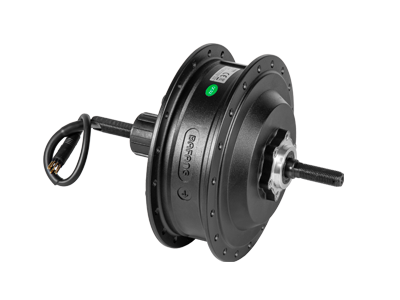
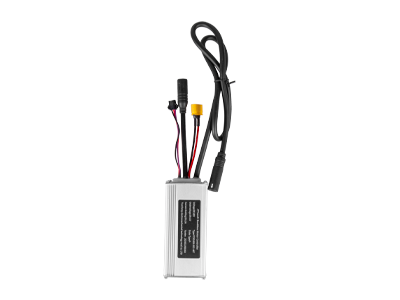
Long-term exposure to heavy rain, riding through deep water, or directly washing the bike with a high-pressure water gun may allow water to enter electronic components, affecting the performance of:
- Battery
- Motor
- Controller
- Display screen
- Electrical connections
Therefore, normal rainy-day riding is usually fine, but extreme conditions should be avoided.
2. What Protection Should You Prepare Before Riding in Rain?
1. Check the Battery and Electrical Connections
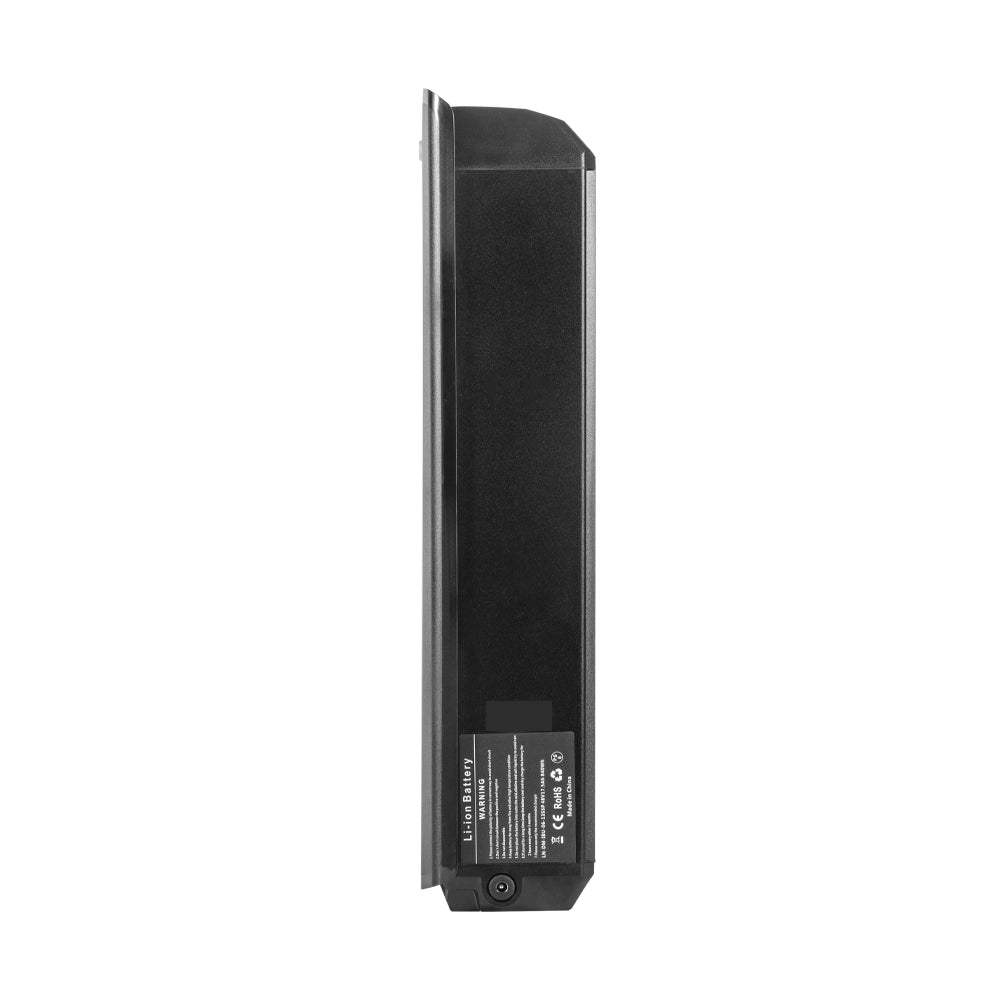
The battery is one of the most important components of an electric bike and requires extra attention during the rainy season.
Before riding, check:
- Whether the battery is installed correctly
- Whether the battery connection is secure
- Whether the charging port cover is closed
- Whether any cables or connectors are loose
If you notice dust, moisture, or water marks around the connection areas, clean and dry them before use.
2. Choose the Right Mudguards
One of the biggest problems when riding in the rain is water and mud splashing.
Installing front and rear mudguards can effectively reduce:
- Water entering the bike frame
- Mud and dirt affecting the chain
- Discomfort caused by water splashes
For riders who use their electric bike for daily commuting, mudguards are one of the most practical accessories to have.
3. Use Waterproof Riding Gear
Protecting the bike is important, but protecting yourself is equally necessary.
During rainy seasons, riders should consider:
- Waterproof jackets
- Waterproof shoe covers
- Waterproof backpack covers
- Phone waterproof bags
Good riding equipment improves comfort and makes rainy-day cycling safer.
3. The Most Important Thing in Rain: Prevent Slipping
Compared with possible bike damage, safety is the biggest concern when riding in wet conditions.
After rain, dust, oil, and fallen leaves on the road can create slippery surfaces, especially on:
- Manhole covers
- White road markings
- Stone roads
- Wet corners
When riding in the rain, you should:
- Reduce your speed
- Avoid sudden braking
- Keep your turns smooth and controlled
- Maintain a longer distance from vehicles ahead
If your electric bike is equipped with a hydraulic brake system, it can usually provide more stable braking performance in wet conditions, which is one reason many riders choose higher-spec models.
4. How to Protect the Battery and Prevent Reduced Range in Rain?
Many riders notice that battery range seems lower when riding in rainy weather.
This can happen due to several reasons:
1. Cold and Humid Conditions
Battery performance is affected by temperature.
In colder or more humid environments, battery efficiency may decrease slightly, resulting in reduced range. This is a normal situation.
2. Increased Riding Resistance
Wet roads, puddles, and increased tire resistance require the motor to work harder, which may consume more battery power.
3. Incorrect Charging After Rain
After riding in the rain, do not charge the battery immediately.
The correct steps are:
- Dry the surface of the battery
- Make sure charging ports are completely dry
- Wait until the bike returns to normal temperature before charging
This helps reduce the risk of moisture affecting electrical components.
5. How Should You Maintain Your Electric Bike After Riding in Rain?
Many users overlook one important point: rain itself is not always the biggest problem — improper maintenance after riding is often what affects the bike’s lifespan.
1. Dry the Bike Immediately
After riding, it is recommended to:
- Wipe the frame
- Remove moisture around the battery area
- Dry the display screen
- Check electrical connection areas
Avoid leaving the bike wet for a long time.
2. Maintain the Chain and Drivetrain
Rain can wash away lubrication from the chain, while mud and dirt can build up and increase wear.
Regular maintenance should include:
- Cleaning the chain
- Applying chain lubricant
- Checking the gear system
This helps keep the ride smoother and reduces component wear.
3. Check the Brake System
During rainy seasons, frequent use means extra attention should be given to braking performance.
Check:
- Whether braking power feels normal
- Whether there are unusual noises
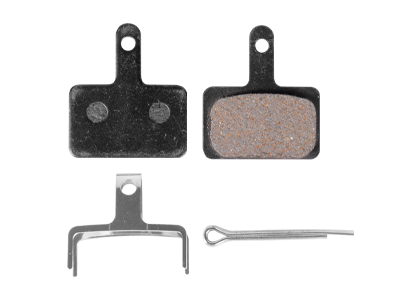
- Whether brake pads are worn
Safety should always come first.
6. When Should You Avoid Riding an Electric Bike?
Although electric bikes can handle normal rainy weather, riding is not recommended in these situations:
Heavy Rainstorms
Strong rainfall may cause:
- Electrical components becoming damp
- Reduced visibility
- Dangerous road conditions
Deep Water Areas
Do not attempt to ride through obvious deep puddles.
High water levels may affect:
- Motor
- Controller
- Battery connection parts
Long-Term Outdoor Storage
Even with protective designs, leaving an electric bike outside in the rain for a long time can increase aging and damage risks.
Recommended:
- Store under a shelter
- Use a waterproof cover
- Avoid long-term exposure to rain and direct sunlight
7. Choosing an Electric Bike Suitable for All Weather Conditions Matters
For daily commuters, choosing an electric bike that can handle different weather conditions is very important.
When selecting an e-bike, pay attention to:
- Battery protection design
- Motor protection structure
- Brake performance
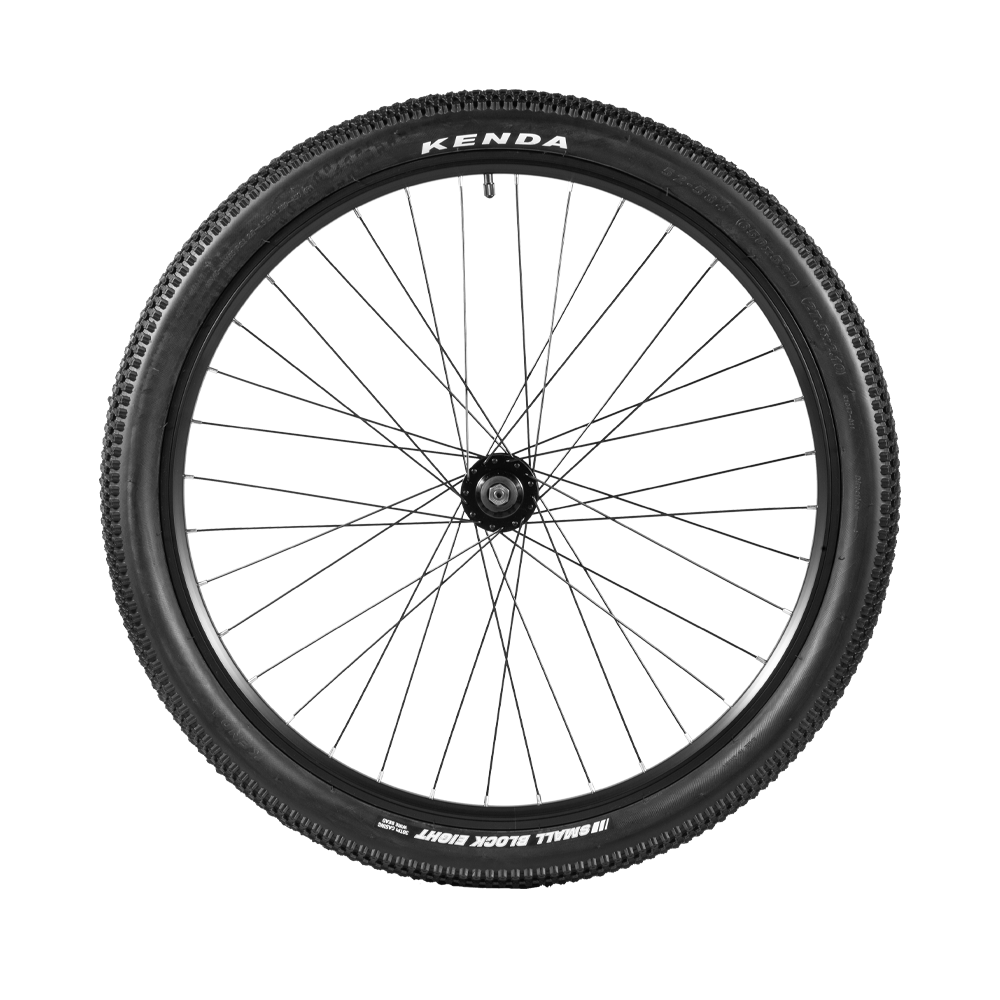
- Tire grip
- Suspension system
For example, a good suspension system not only improves comfort but also helps the bike remain stable on challenging surfaces, including:
- Wet roads
- Uneven terrain
- Gravel paths
8. 2026 Electric Bike Trend: All-Weather Riding Is Becoming More Popular
With increasing urban traffic pressure and growing demand for eco-friendly transportation, electric bikes are becoming a popular choice for everyday travel.
Today’s riders are no longer only focused on speed and battery range. They are paying more attention to:
- Year-round usability
- Safety features
- Riding comfort
- Maintenance costs
Future electric bike designs will continue to focus on all-weather riding experiences, allowing riders to enjoy safer and more reliable transportation whether facing sunshine, heat, or rainy seasons.
Conclusion
Riding an electric bike during the rainy season is not something to fear. The key is knowing the correct riding methods and maintenance habits.
By taking care of battery protection, waterproof checks, anti-slip riding techniques, and regular maintenance, your electric bike can continue to deliver reliable performance in different weather conditions.
Whether it is for daily commuting or weekend outdoor adventures, a well-maintained electric bike can provide a safer, more comfortable, and more enjoyable riding experience.
Leave a comment