









Shengmilo Electric Bike Controller: Power Core and Safety Guardian
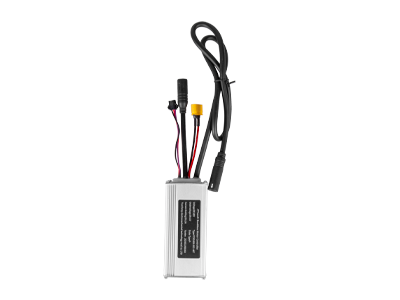
In the world of electric bicycles, many people focus on the motor, the battery, or even the design, yet often overlook a key component that truly determines the riding experience—the controller. The controller acts as the brain of the vehicle, regulating motor output, responding to riding signals, and directly influencing ride smoothness, safety, and the lifespan of the bike. For riders who pursue high performance and durability, choosing a high-quality controller is essential.
This article will provide a detailed overview of the Shengmilo controller, explain the risks of low-quality controllers, highlight the advantages of our premium controllers, and offer maintenance and replacement instructions with video references, helping riders fully understand this crucial component.
1. What is a Controller and Why is it So Important?
The controller is the core electronic component of an electric bike’s motor system. Its main functions include:
-
Receiving signals from the battery, throttle, pedal sensors, and brakes
-
Calculating and managing motor output power
-
Controlling motor speed and torque for smooth, powerful, and safe riding
-
Protecting the motor and battery to extend the overall lifespan of the bike
In simple terms, the controller can be understood as:
-
Battery: Provides the power source
-
Motor: Converts electricity into motion
-
Controller: Determines how power is delivered precisely and safely
The quality of the controller directly affects the bike’s performance and safety. Even with high-end motors and batteries, an unstable or slow-responding controller can compromise the riding experience and create potential safety risks.
2. How Controller Quality Affects Your Riding Experience
Low-quality controllers may cause the following issues:
Unstable Power Output
The bike may accelerate unevenly or struggle on inclines if the controller cannot regulate motor output accurately.
Motor Overheating or Damage
A controller that cannot distribute power effectively may overwork the motor, causing overheating or even permanent damage.
Reduced Range
Power fluctuations from a poor controller increase battery consumption and reduce riding distance.
Delayed or Ineffective Braking
A slow-response controller may allow the motor to continue running while braking, increasing the risk of accidents.
Excessive Noise and Vibration
Unstable controllers can generate electrical noise and vibrations, affecting riding comfort.
Clearly, controller quality directly impacts both safety and the overall performance of your bike.
3. Advantages of Shengmilo Controllers
Shengmilo fully recognizes the importance of the controller and uses high-quality components and strict manufacturing standards to ensure that every bike is equipped with a stable and durable controller. Key advantages include:
1. Precision Power Control
Shengmilo controllers precisely calculate output based on pedal assist and throttle input, ensuring smooth acceleration and strong climbing performance.
2. Smart Temperature and Overload Protection
Built-in temperature sensors monitor the motor and battery in real-time. The controller automatically adjusts power during overheating or overloading to protect core components and extend the bike’s lifespan.
3. High Compatibility and Durability
Premium electronic components provide shock resistance, dustproofing, and waterproofing, ensuring stable operation in all types of terrain.
4. Energy Efficiency for Longer Range
Intelligent power management optimizes energy usage, maximizing battery life and extending riding range.
5. Safety Features
Supports brake cutoff, anti-reverse, and motor lock functions, enhancing safety and reducing the risk of accidents.
4. Risks of Low-Quality Controllers
To illustrate why quality matters, here are common issues with low-end controllers:
-
Unstable Power: Low-cost controllers may fail to deliver consistent power on hills or during acceleration, causing poor riding experience and occasional stalling.
-
Overheating and Burnout: Limited load capacity can cause the internal circuitry to overheat and damage the motor, resulting in costly repairs.
-
Delayed Braking Response: Low-quality controllers respond slowly to brake signals, allowing the motor to keep running and creating safety hazards.
These examples demonstrate that choosing a high-quality controller ensures not only a better riding experience but also the safety of the rider.
5. How to Maintain Your Controller
Even high-quality controllers require proper maintenance to ensure long-term reliability:
-
Keep it Dry and Clean: Avoid prolonged exposure to rain or moisture to prevent water damage.
-
Avoid Overloading: Do not ride at high speed or under heavy loads for extended periods to reduce stress on the controller.
-
Regularly Inspect Connections: Ensure all connections between the controller, motor, battery, and sensors are secure and free of corrosion.
-
Avoid Unauthorized Modifications: Tampering with the controller’s wiring or programming can cause malfunctions or safety hazards.
Proper maintenance prolongs the controller’s lifespan and ensures a smooth and safe riding experience.
6. Controller Faults and Replacement Guide
Even premium controllers may occasionally fail due to long-term use or unforeseen circumstances. Correct replacement procedures help maintain bike performance and safety.
1. Identify Faults
Common symptoms of a faulty controller include:
-
Motor not working or intermittent operation
-
Slow acceleration or weak power
-
Overheating or smoke from the controller
-
Failure to start or error codes on the display
2. Prepare Tools and Workspace
-
Screwdrivers and wrenches
-
Insulated gloves (for safety)
-
A flat, dry workspace
3. Safety: Disconnect the Battery
Always disconnect the battery first to prevent short circuits or electrical shocks.
4. Remove the Old Controller
-
Unscrew mounting screws
-
Carefully disconnect wires from the motor, throttle, brakes, and battery
-
Remove the controller without pulling on cables
5. Install the New Controller
-
Secure the new controller in place
-
Reconnect the motor, throttle, brakes, and battery according to labeled connections
-
Ensure all connections are tight and secure
6. Test Functions
-
Reconnect the battery
-
Test motor startup, acceleration, and braking response
-
Verify that everything works correctly without unusual noise or overheating
7. Completion
Once all functions are normal, the bike is ready for regular use.
7. Shengmilo Controller Replacement Video References
To make the replacement process easier and more intuitive, Shengmilo provides video guides:
-
Controller Installation Demonstration: Watch Video
-
Controller Replacement Step-by-Step: Watch Video
Note: If you are unfamiliar with electronic components, we recommend having a professional technician perform the replacement for safety.
8. Conclusion
The controller is the brain of an electric bike, determining power output, ride smoothness, and safety. Shengmilo controllers offer precise power control, smart temperature management, durable construction, and safety features, providing riders with a reliable and enjoyable experience.
Whether for daily commuting or long-distance outdoor rides, a high-quality controller ensures smooth, comfortable, and safe operation. Proper maintenance and understanding the replacement process can extend your bike’s lifespan, making every ride worry-free.
Choose Shengmilo—choose reliable, high-quality riding performance. Start with the controller, and enjoy every ride with peace of mind!
Leave a comment