









Winter Riding Made Easy: Electric Bike Safety and Maintenance Guide
Cold winter weather doesn’t mean you have to give up cycling. On the contrary, riding an electric bike during winter allows you to stay healthy, save on commuting costs, and enjoy snowy landscapes and fresh air. However, icy roads, low temperatures, and shorter daylight hours increase the risks of riding. To make your winter rides both safe and enjoyable, we’ve compiled a comprehensive guide covering winter riding safety tips and maintenance, ensuring your electric bike runs smoothly even in the coldest months.
1. Challenges of Winter Riding
Winter cycling presents several unique challenges compared to summer:
1. Icy and snowy roads
Reduced friction on icy roads increases braking distance, making slips and falls more likely. Even experienced cyclists can lose control on wet or snowy surfaces.
2. Low temperature impact on the battery
Lithium batteries slow down their chemical reactions in low temperatures, reducing range and slightly lowering power output. If not fully charged or kept warm before riding, the battery may deplete faster than expected.
3. Limited visibility
Short daylight hours and snow or rain reduce visibility, increasing the risk of collisions with vehicles or pedestrians.
4. Body warmth and reaction ability
Cold weather can numb fingers and toes, making it harder to operate brakes and controls, which increases riding risks.
Understanding these risks is the first step toward safe winter riding.
2. Choosing the Right Electric Bike for Winter
1. Wide tires
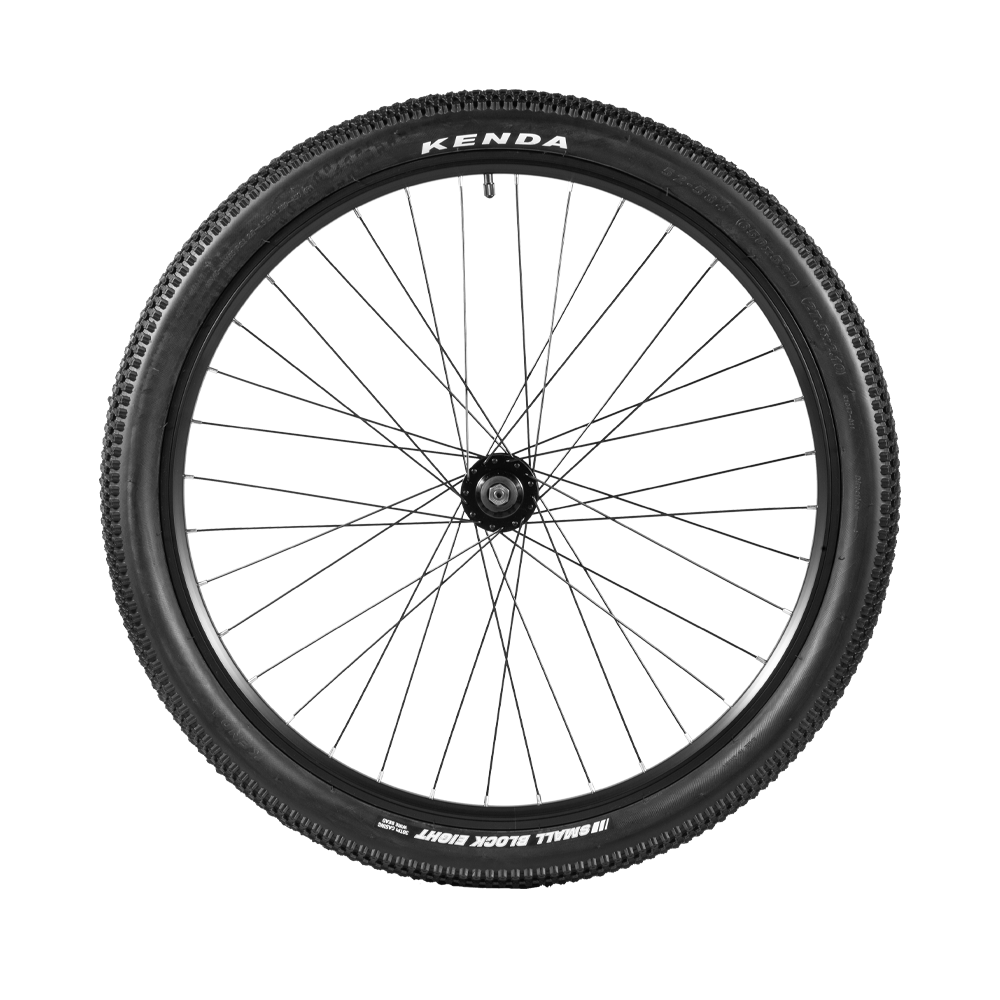
For winter rides, electric bikes with wide tires are ideal. The increased surface contact improves traction and stability, helping riders stay steady on slopes, snow, and slush.
2. Motor and assist modes
Bikes with multiple assist modes allow you to adjust riding intensity according to road conditions:
-
On flat roads or light snow, use low to medium assist for cardio exercise while conserving battery.
-
On steep or heavy snow sections, switch to high assist mode to reduce effort and improve safety.
3. Braking system
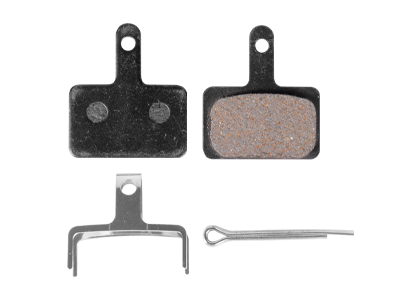
Brakes are crucial in wet and icy conditions. Opt for hydraulic or high-quality mechanical brakes and check brake pad wear before heading out.
4. Lighting and reflective design
Good visibility is essential for winter riding. Equip your bike with:
-
Bright front and rear lights
-
Reflective strips or stickers on the frame
-
Wear reflective clothing or accessories
These measures help ensure you are visible to other road users in snow, rain, or low light.
3. Winter Riding Safety Tips
1. Ride slowly
Reduced traction on icy roads makes controlling speed critical. Riding slowly gives you more reaction time and helps prevent slipping.
2. Brake in advance
When approaching obstacles or traffic lights, gently brake early instead of sudden stops.
3. Maintain safe distance
Keep a safe distance from vehicles in front to prevent collisions during sudden braking or obstacle avoidance.
4. Choose safe routes
-
Avoid thick snow or icy patches
-
Opt for roads with fewer cars and people and with anti-slip surfaces
-
Avoid steep slopes and roads with sharp turns
5. Increase visibility
-
Wear bright or reflective clothing
-
Use flashing lights to make yourself more noticeable
6. Keep hands and feet warm
Essential winter gear includes windproof gloves, ear warmers, face masks, and insulated shoe covers. Keep your extremities flexible to operate brakes and gears smoothly.
4. Winter Electric Bike Maintenance Guide
Winter cycling requires both safety awareness and proper bike maintenance.
1. Battery care
-
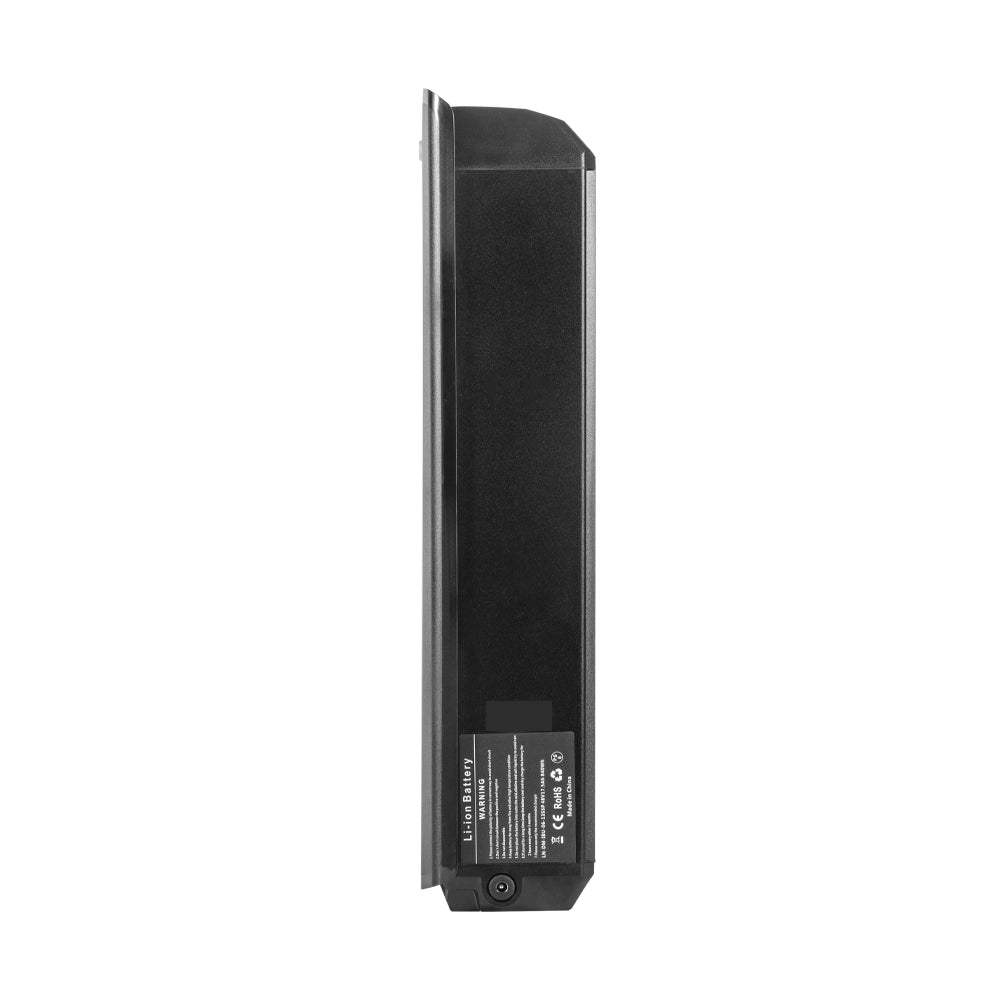
Temperature management: Keep the battery warm before riding or close to your body to maintain performance.
-
Charge regularly: Ensure the battery is fully charged before rides to avoid complete discharge.
-
Avoid long-term storage: If not riding during winter, store the battery at 40%-60% charge.
2. Tire checks
-
Maintain proper tire pressure; low pressure increases slip risk.
-
Check tire tread depth and wear; replace with winter-specific tires if needed.
-
Remove mud or ice to maintain traction.
3. Brake checks
-
Wet winter conditions can reduce braking efficiency; test brakes before each ride.
-
For hydraulic brakes, ensure oil temperature and lines are in good condition.
4. Lighting and reflectors
-
Regularly check that front and rear lights and reflective strips are functional.
-
Clean lights and reflectors of snow or mud during rain or snow.
5. Cleaning and rust prevention
-
Winter roads often have salt and sand that can corrode the bike.
-
Wipe down the chain, wheel hubs, and motor casing after rides, and apply lubricant if needed.
-
Avoid leaving the bike outdoors in snow for long periods; indoor storage or a sheltered space is preferable.
5. Riding Mindset and Techniques
-
Stay focused: Always pay attention to road conditions and surroundings.
-
Plan your route:
-
Avoid busy streets
-
Prefer roads with anti-slip surfaces
-
Avoid steep slopes and sharp curves
-
-
Adjust riding schedule: In heavy snow or icy weather, consider rescheduling or using public transport.
-
Prioritize safety: Never take risks just to complete a planned ride.
6. Recommended Winter Riding Gear
-
Clothing: Windproof, waterproof jacket, winter cycling pants, thermal base layers
-
Hand and foot protection: Insulated gloves, shoe covers
-
Head and face protection: Cycling hat, ear warmers, face mask
-
Lighting: Bright front light, rear light, reflective strips
-
Tires and brakes: Winter-specific wide tires or anti-slip tires, hydraulic brakes
Proper gear enhances both safety and comfort during winter rides.
7. Benefits of Winter Riding
-
Health and cardio exercise
Winter riding improves cardiovascular function, burns calories, and helps maintain fitness. -
Stress relief
Exposure to natural light and fresh air helps reduce stress and anxiety. -
Environmentally friendly and cost-saving
Electric bikes reduce car use, lower carbon emissions, and save commuting expenses. -
Enhanced riding skills
Winter riding requires balance and control, improving cycling skills over time.
8. Conclusion
Winter electric bike riding combines health, environmental friendliness, and lifestyle enjoyment, but safety and maintenance are essential.
-
Safety tips: Ride slowly, brake in advance, increase visibility, keep warm
-
Maintenance points: Battery care, tire inspection, brake testing, cleaning and rust prevention, lighting upkeep
-
Recommended gear: Windproof/waterproof clothing, insulated gloves, ear warmers, reflective lights
With proper preparation, icy and snowy roads can become a safe stage for riding. Winter cycling can be a relaxing, enjoyable, and healthy experience rather than a source of stress or danger.
Leave a comment